
Can You Put a Smart Lock on an Apartment Door?
Picture this: you just moved into a new apartment. The landlord hands you two keys and warns you not to lose them. Three weeks later, you are standing in the hallway at 11 p.m., patting empty pockets and calling a locksmith.
That night is exactly why smart locks exist. No keys to lose, a code for the dog walker, a door that locks itself behind you. But there is a catch, and it is a big one: the door does not belong to you. Change the wrong thing and you could risk deductions from your security deposit. So let’s answer the real question: can I put a smart lock on my apartment door?
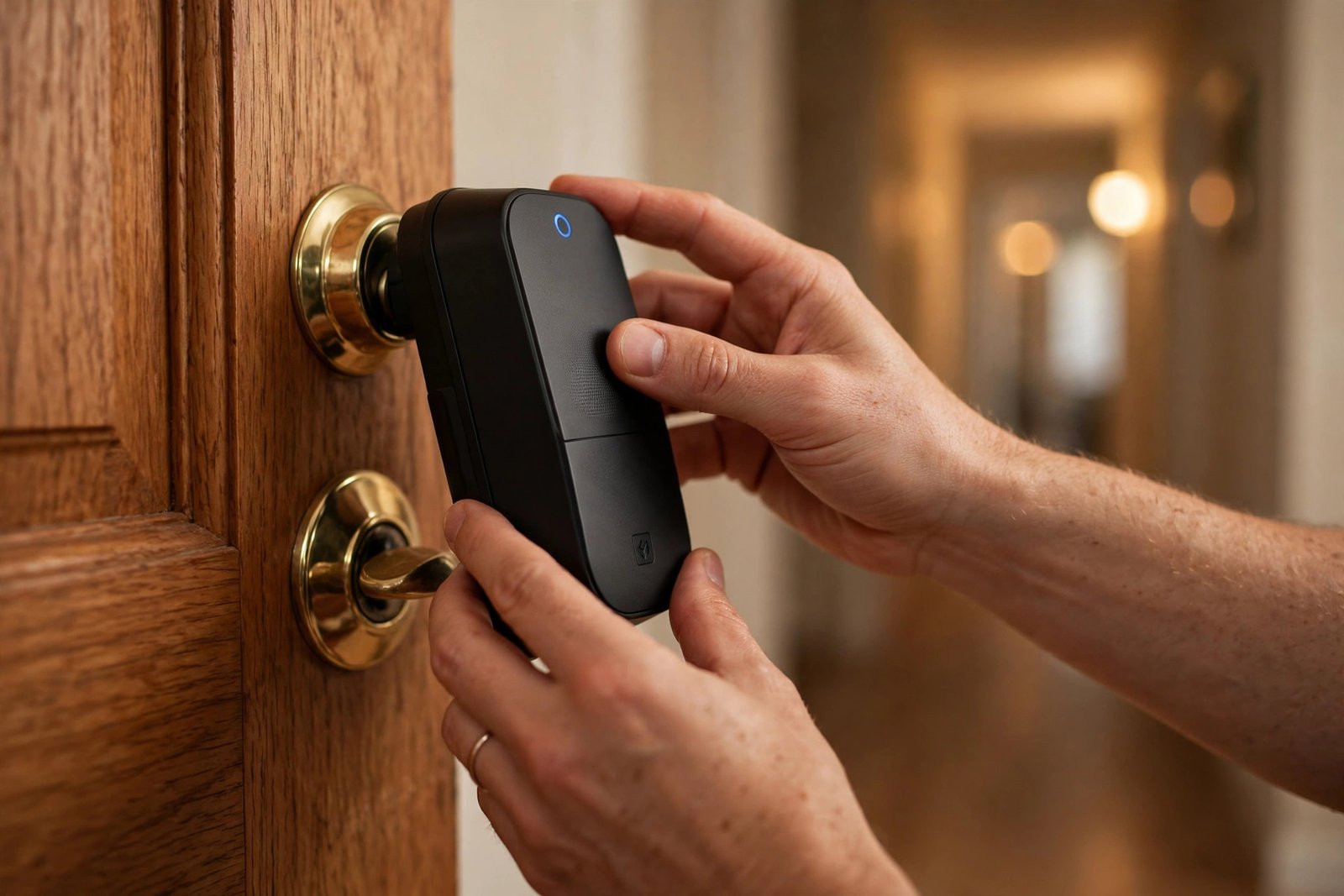
Quick Answer: Renters can often install a smart lock, but they should check their lease and obtain written landlord approval before changing the existing lock. A retrofit smart lock may be a renter-friendly option because compatible models attach to the interior side of an existing deadbolt without drilling new holes. However, compatibility, building access requirements, and local laws vary. Before installation, confirm the landlord’s access arrangements and keep the original hardware for move-out.
The Short Answer: It Depends on Your Landlord
Three things decide this: your lease, your landlord, and your state’s laws. Of the three, your lease matters most, because it is the contract you already signed.
Many standard leases include a clause about alterations. It usually says you cannot change the locks, drill into doors, or modify fixtures without written approval. That clause is an important place to start.
If you are just starting to make your rental smarter, our renter-friendly smart home starter guide walks through the permission-first mindset that keeps you out of trouble with landlords.
Who Can Put a Smart Lock on the Apartment Door?
Physically? Anyone with a screwdriver and twenty minutes. Legally? That is a different question.
Property owners still have to follow building codes, fire-safety rules, and other applicable laws. Renters need permission. If you have roommates, get everyone on board before you ask, because a lock affects the whole household. Are you subletting? Then you need approval from both the primary tenant and the landlord, since the lease is not in your name.
Lease Restrictions and Landlord Approval
Pull out your lease and search for words like “alterations,” “locks,” “fixtures,” or “modifications.” The relevant clause usually sits under maintenance or tenant responsibilities.
What you may find: a rule against changing locks without the landlord’s written consent. Lease language varies, so read your own clause carefully. Some leases go further and require the landlord to hold a working key at all times, which is worth knowing before you spend money on anything.
Lease language varies a lot by state. For one detailed example of how these rules get spelled out, Texas publishes tenant security device rules that show what landlords and tenants each owe the other around locks and security devices. Texas rules are an example of security-device requirements; permission to install a retrofit smart lock is a separate lease and legal question. Your state may handle it differently, which is exactly why your own lease is the best starting point.
Why Do Landlords Prevent Renters from Installing Smart Locks?
It helps to see it from their side. Most landlord objections come down to a short list:
- Emergency access. If a pipe bursts or someone needs help inside, they need to get in fast.
- Dead batteries. A lock with a dead battery at 2 a.m. becomes their problem too.
- Damage. Drilling a door or frame the wrong way can cost hundreds to fix.
- Master key systems. Big buildings often run on one master key, and a smart lock can break that system.
- Liability. If your lock fails and something happens, they worry about who is responsible.
None of these are unreasonable. And here is the useful part: once you know the objections, you can answer each one when you ask for permission.
How to Ask Your Landlord for Permission (and What to Put in Writing)
Do not just text “hey can I install a smart lock.” Make a short case. Landlords say yes more often when the request answers their worries before they have to ask.
Talking points that work:
- The outside of the door stays exactly the same. A retrofit lock only changes the inside.
- No drilling, no new holes, no damage.
- You can offer a dedicated code or key for emergency access, subject to what your lease requires.
- You will remove it and reinstall the original lock when you move out.
- It makes the unit more secure, which protects their property too.
Then get the yes in writing. A text message counts, but an email is better. It should spell out:
- Exact lock model name and type (retrofit smart lock)
- Installation method (interior side only, screwdriver, no drilling)
- Confirmation of no exterior changes (same key cylinder, same look from outside)
- Which door (front door of Unit 4B, for example)
- Access arrangement (a dedicated landlord code or key for emergency access)
- Removal and restoration plan (original lock reinstalled before move-out, no damage)
- The date, plus both names
Keep it simple. Something like: “Per our conversation on [date], I have approval to install a retrofit smart lock on the interior side of my unit’s front door. No drilling or exterior changes. I will provide a landlord access code and restore the original deadbolt before move-out.” Have them reply confirming, and save that email.
Want this done for you? Use our free Permission Letter Generator to build a professional request letter in seconds.
If Your Landlord Says No
A no is not always the end of it. Ask whether a retrofit-only install is acceptable, since the outside of the door stays exactly the same. Put your offer in writing: you will restore the original hardware before you move out, and you will share a key or code for emergency access. Some landlords refuse to let tenants remove the original lock but allow an extra lock alongside it, so ask about that option too. If the answer stays no, do not install one anyway. The deposit and lease trouble cost more than the lock.
Do You Have to Give Your Landlord a Key or Code?
Your lease and local law determine whether you must provide a key, code, or other means of access. Confirm the requirement before installing a smart lock.
The smart move: create a dedicated code just for your landlord, separate from your personal code. That way you are not handing out the code you punch in every day, and the arrangement is clear to everyone.
Keep the original physical key too, somewhere safe. If the smart lock ever fails, that key is your backup plan, and your landlord will appreciate that you thought ahead.
Can I Put a Smart Lock on My Apartment Door Without Permission?
A landlord may be able to refuse a lock change under the lease and applicable law. The outcome depends on the lease, local rules, and any relevant accommodation rights.
There is one possible exception worth knowing about. If you need keyless entry because of a disability, fair housing rules around reasonable accommodations might apply. That is a legal question with real specifics, so talk to a local tenant rights organization rather than guessing.
If the answer is no, do not install one anyway. The next section explains why that backfires.
Choosing Apartment-Friendly Smart Locks
Here is the concept that matters: retrofit. A retrofit smart lock typically mounts to or replaces part of the interior hardware of a compatible existing deadbolt, while leaving the exterior key cylinder in place. The exact installation method depends on the model, so check the manufacturer’s instructions before buying.
What to look for in a renter-friendly lock:
- Fits over your existing deadbolt (no new holes)
- Keeps the original key working from the outside
- Battery powered with a low-battery warning
- Backup access covered (mechanical key or emergency power method, plus clear low-battery warnings)
- Guest codes you can create and delete
- Auto-lock, so the door is never left unlocked by accident
Compatibility check: Not every retrofit lock fits every deadbolt. Before buying, check the type of your existing lock, make sure there is enough clearance around the deadbolt on the inside of the door, and confirm the thumb-turn moves freely. Also run through the manufacturer’s compatibility list for your exact deadbolt model, because a lock that does not fit is a lock you cannot install.
Do not confuse a retrofit with a full replacement. A retrofit leaves the exterior cylinder unchanged, so the outside of the door and your original key stay the same. A full replacement swaps the entire lock, including the exterior hardware and keys, which can break a building’s master-key or access system and is much harder to get approved.
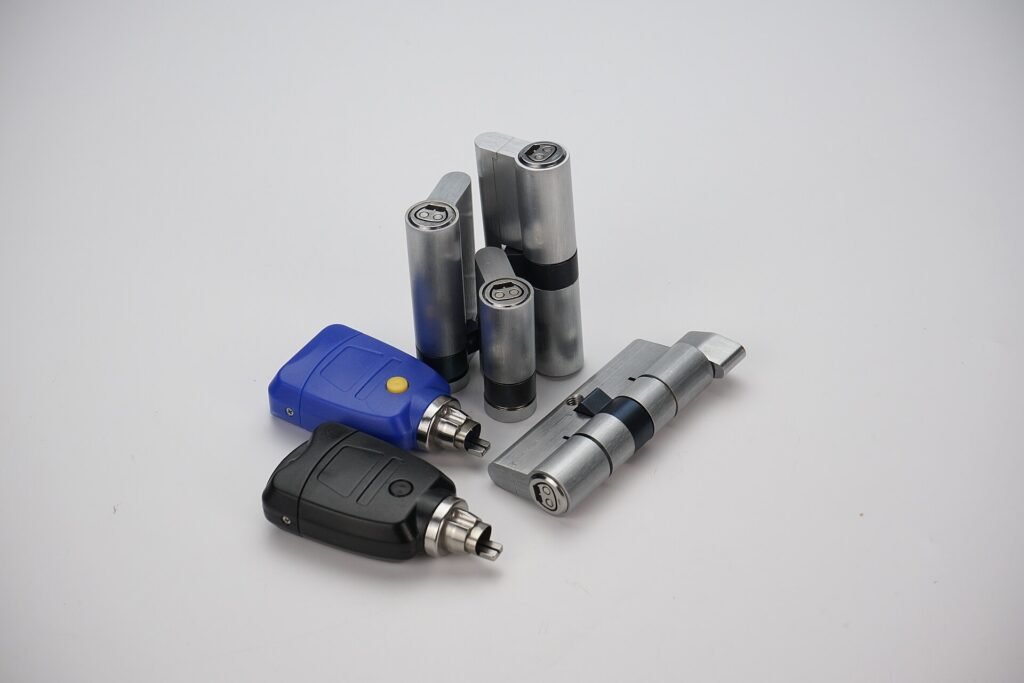
Notice what is missing above: no product names, no rankings. Picking the specific model is a separate buying decision, and we will cover retrofit picks in a future guide. For the permission conversation, the category is what matters: interior-only, no-drill, exterior unchanged.
One more thing: a lock is only one part of entry security. If you also want to see who is at the door without opening it, our peephole camera vs video doorbell comparison breaks down the renter-friendly options.
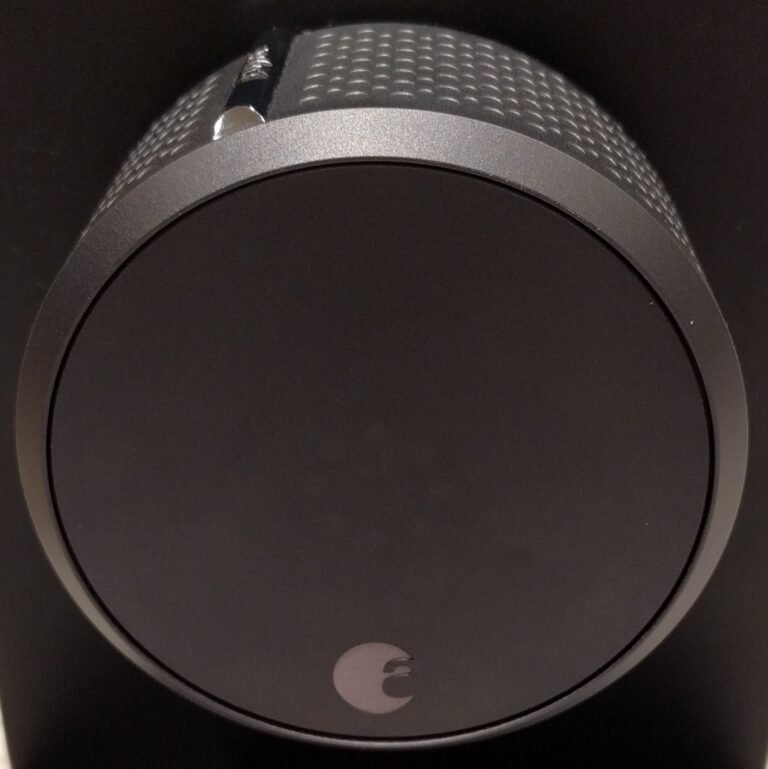
Two retrofit models show what to look for. The August Wi-Fi Smart Lock (4th Gen) mounts on the inside of your existing deadbolt, so the outside of your door looks unchanged and your landlord’s key keeps working. The Wyze Lock Bolt is a lower-cost fingerprint option for renters who want keyless entry. Check compatibility with your deadbolt before buying, and see our full list of renter-friendly picks in our Best Smart Locks for Renters guide.
What If the Internet Goes Down?
Your lock does not become a brick when the Wi-Fi drops, but it does get dumber. Here is what actually happens.
Most retrofit smart locks store your access codes locally on the lock itself, so your code still works during an internet outage. What stops working is everything remote: locking from your office, getting entry notifications, or adding a guest code while you are away.
Bluetooth models handle outages best, since your phone talks to the lock directly when you are near the door. Wi-Fi models lean on the cloud more, so check whether yours keeps local codes before you need them. Either way, this is another reason the physical backup key matters: no internet, no battery, no problem.
Non-Destructive Installation and Removal
Installation is usually the easy part. Installation time varies by model, door, and existing deadbolt compatibility, but most retrofit locks install with a regular screwdriver and no drilling. The critical habit: save every original screw, plate, and part in a labeled bag the moment it comes off. Do not throw anything away, even if it looks unimportant.
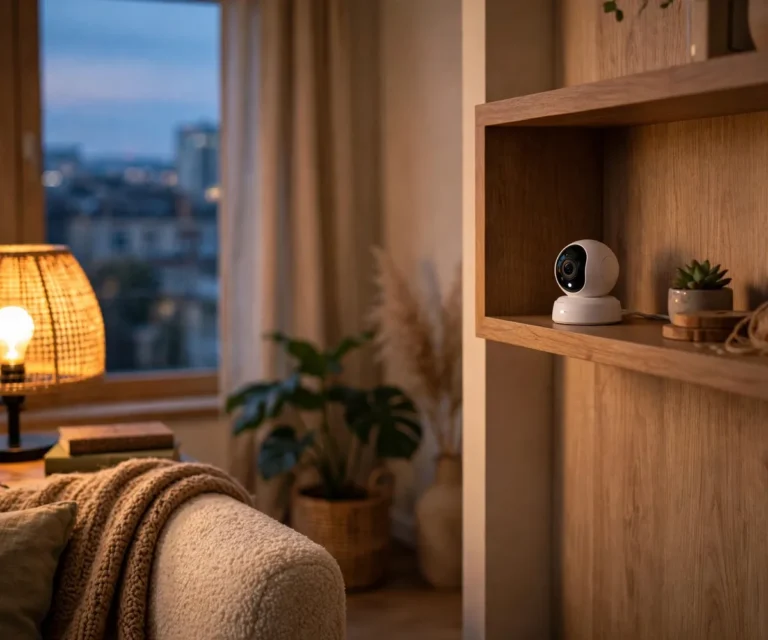
The same no-damage thinking works for the rest of your setup. For example, here is how to mount an indoor camera without drilling a single hole.
Before move-out, run this checklist:
- Remove the smart lock and reinstall the original deadbolt interior, following the manufacturer’s instructions.
- Test the original exterior key and confirm the interior thumb-turn operates correctly.
- Verify that the original deadbolt is properly reinstalled and works as intended.
- Confirm there are no new holes or marks, where applicable.
- Photograph the door condition and keep the photos with your move-out records.
- Do a final walkthrough with your landlord if possible.
Properly restoring the original hardware and documenting the door’s condition can help reduce the risk of deposit disputes. The problems start when the original hardware has mysteriously vanished.
What Happens If You Install One Without Permission?
Let’s be honest about the downside. If your landlord finds an unapproved lock:
- You will be told to remove it, on your timeline or theirs
- You can get a formal lease violation notice on your record
- Unauthorized installation may lead to a demand to remove the lock, charges for documented damage where permitted by law, or a lease-enforcement action. The consequences depend on the lease and applicable law.
Many landlords start with a warning rather than an eviction notice, but that is not guaranteed. The response depends on the lease and the landlord. An unapproved lock gives your landlord a documented lease issue, and that is a bad trade for keyless convenience.
FAQs
Can my landlord refuse a smart lock?
A landlord may be able to refuse a smart-lock installation, depending on your lease and applicable law. A clear request explaining the proposed model, installation method, and access arrangements can help them evaluate it, but approval is not guaranteed.
Do renters have to give the landlord a key or code?
It depends on your lease and local law. Many leases require landlords to keep emergency access, so confirm what yours says. Set up a separate landlord code rather than sharing your personal one.
Can renters keep the outside lock unchanged?
Often, with a compatible retrofit model. Some retrofit locks leave the exterior key cylinder in place, but the result depends on the specific lock and installation. Check compatibility and obtain any required landlord approval before installing it.
What happens if I install a smart lock without permission?
Expect a removal demand at minimum. You risk deposit deductions for any damage, a formal lease violation, and in serious cases, eviction proceedings. Getting written permission first can help avoid disputes.
Do I need my roommates’ agreement to install a smart lock?
Your landlord’ permission is the legal requirement, but talk to your roommates first. Shared codes affect everyone who uses the door, so agree on who manages codes, how guest codes work,
and what happens when someone moves out. Put the arrangement in writing with your
roommates so a code dispute does not become a lockout.
What if my apartment already has a smart lock when I move in?
Ask your landlord or building manager to reset it before you rely on it: remove the previous tenant’s codes, give you fresh codes, and confirm who holds admin access. Also ask whether entry logs are kept and who can see them. Do not reuse a code the previous tenant had, and do not reset a building-managed system yourself without permission. If the building controls the lock, the reset has to come from building management, in writing if possible.
The Bottom Line
So, can I put a smart lock on my apartment door? In most cases, yes, once your landlord agrees. Go retrofit, keep the exterior untouched, give them a code, get it in writing, and restore everything at move-out. Do that, and you get keyless convenience while helping reduce the risk of disputes over your security deposit.
Tonight: read the alterations clause in your lease. Tomorrow: send your landlord a short, specific request. That is the whole process.
If you need written approval first, our free Permission Letter Generator builds the request letter for you.
5 Comments